 English




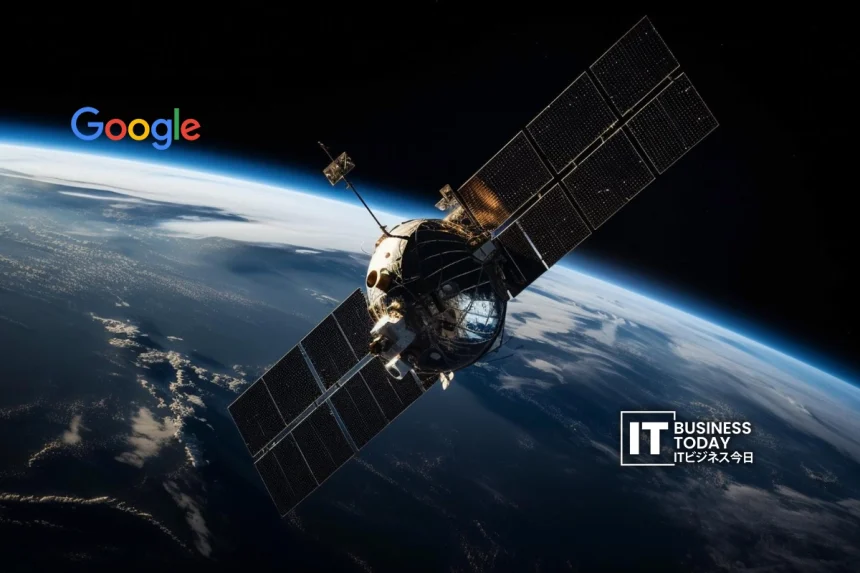
グーグルは、宇宙における大規模なAIインフラの構築を目指す「プロジェクト・サンキャッチャー」と呼ばれる新たな研究イニシアチブを発表しました。その目的は、太陽電池を搭載した人工衛星群に独自のAIアクセラレータであるTensor Processing Unit(TPU)を搭載し、それらを自由空間光リンクで相互接続することで、宇宙におけるAIのためのスケーラブルなコンピューティングプラットフォームを構築することです。この発表の詳細は、論文 “Towards a future space-based, highly scalable AI infrastructure system design” にまとめられています。“
“AIのための「宇宙発電」の全貌と課題
AIは社会の発展を支える基盤技術となりつつあり、その計算需要は年々拡大しています。そこでグーグルは、宇宙で大規模なAI計算を行う可能性を探っています。太陽は、現在人類が使っているエネルギーの100兆倍以上のエネルギーを発しています。適切な軌道に配置されたソーラーパネルは昼夜や天候に左右されず、地上の最大8倍もの電力を発電し、ほぼ連続的に電力を供給します。この特性を生かし、宇宙で大規模なAI計算を行うことで、地球環境への負荷を軽減できる可能性があります。プロジェクト・サンキャッチャーでは、単一の大型衛星ではなく、複数の小型衛星を広帯域の光通信でつないだモジュール式のシステムを構築することを想定しています。各衛星にはTPUが搭載され、衛星間通信によって地上のデータセンターに匹敵する性能を達成することが目標です。 .
太陽光を最大限に利用するため、衛星は地球の明暗境界を常に通過する太陽同期軌道に配置されます。これにより、衛星が地球の影にさらされるのを最小限に抑えることができます。このコンセプトを実現するためには、いくつかの技術的課題を克服しなければなりません。まず、衛星間のデータセンターレベルの高速通信を実現する必要があります。グーグルの分析によると、マルチチャンネルの高密度波長分割多重(DWDM)技術と空間多重を組み合わせることで、毎秒数十テラビット(Tbps)の通信帯域幅を確保できる可能性があるとのこと。受信電力の損失を補うため、研究チームは衛星間距離を1km以下に制限することで通信品質を確保する設計を検討中。.

こちらもお読みください: 出光とソースエナジー、スペースソーラー技術で提携
研究チームはすでに、ベンチスケールの実験装置を用いて合計1.6Tbpsの双方向通信を達成。次の課題は、複数の衛星を至近距離で安定運用するための軌道ダイナミクスの制御です。グーグルは、地球の重力の非球面対称性と大気抵抗を考慮して軌道挙動を解析した結果、半径1キロメートル、平均高度650キロメートルの衛星81基のクラスターであれば、数百メートルの間隔でも安定性を維持できることを発見しました。TPUの宇宙放射線に対する耐性も評価中。グーグルのトリリウム(第6世代TPU)に67MeV(電子ボルト)の陽子ビームを照射。これは、遮蔽に約10mmのアルミニウムを使用した場合、5年間の運用で予想される放射線量の約3倍に相当します。15krad(Si)でも動作不良は観察されませんでした。シリコン(Si)半導体材料が吸収する放射線量は十分に低いため、トリリウムは宇宙環境下でも高い信頼性を維持できる可能性があります。.
グーグルの試算によると、打ち上げコストは2030年代半ばまでに1kgあたり$200を下回る可能性があり、宇宙ベースのデータセンターの運用コストは、同規模の地上データセンターの電気代にほぼ匹敵するようになります。グーグルは2027年初頭に、公益衛星企業であるプラネット・ラボと共同で、2機の試験衛星を打ち上げる実験ミッションを計画しています。この実験では、光通信による分散型AIコンピューティングを実証し、宇宙環境におけるTPUハードウェアの挙動を検証します。. グーグル はこれまで、量子コンピューターや自動運転車などの技術的課題に取り組んできました。プロジェクト・サンキャッチャーは、これらの取り組みの延長線上にあり、最終的には発電、コンピューティング、放熱を統合した新しい衛星設計につながる可能性があります。.
ソース ヤフー



 日本語
日本語