 English




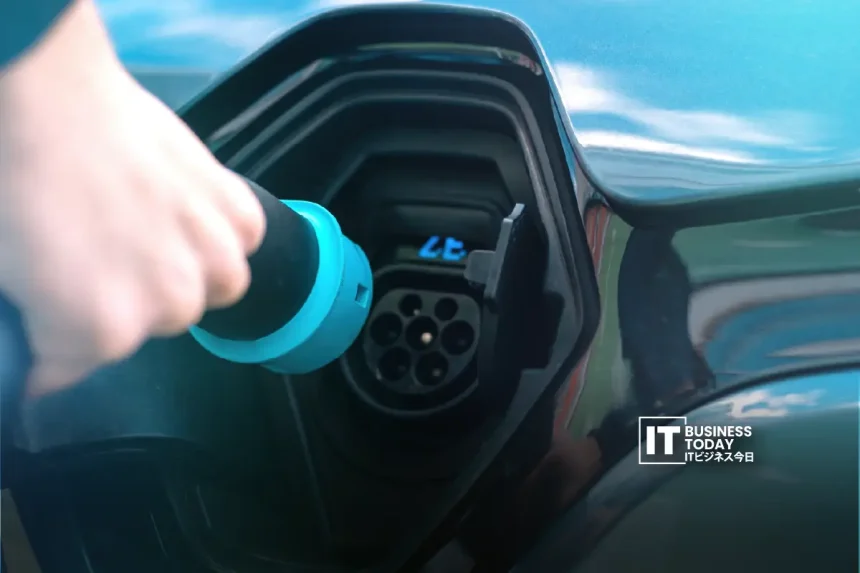
For years, everyone agreed that battery electric vehicles (BEVs) were essential for a zero-emission future. Japan’s car giants, like Toyota, Honda, and Kawasaki, kept promoting hydrogen. They stayed focused despite the surrounding noise. Japanese engineers improved fuel cell stacks. They gained expertise quietly, even as BEVs advanced. New technology, strategic needs, and gained experience are driving a strong comeback. Japanese carmakers are betting big on hydrogen once more, but this time, it’s different. This time, they are armed with an unprecedented ally: Artificial Intelligence. This renewed commitment isn’t nostalgia; it’s a calculated, AI-optimized strategy for sustainable leadership.
水素の永遠の魅力
水素燃料電池の魅力 電気自動車 (FCEVs) is still strong. This is especially true in areas where battery power has clear limits. The main benefit is simple: fast refueling like gas. Plus, you can drive over 500 kilometers. This helps ease ‘range anxiety.’ This concern still impacts some people when they choose BEVs. This is especially true for commercial fleets and long-haul transport. Hydrogen fuel cells only emit water vapor. This helps meet global 脱炭素 goals. Japan has few energy resources and relies on imported fossil fuels. Hydrogen can help create energy security and independence. This is especially true when it’s made from renewable sources or low-carbon methods.
水素ブームの第一波は大きな障害にぶつかりました。コストの高さが普及を遅らせたのです。このため、乗用車市場ではBEVが早期に勢いを得ました。グローバル FCEV sales fell from 20,704 in 2022 to just 14,451 in 2023, and further to approximately 12,866 in 2024. Yet Japan’s domestic market showed resilience, FCEV sales doubled from 202 to 440 units in 2024, indicating strong local support for the technology.

エンジニアリングの効率化とコスト削減

この第二の水素の波における重要な違いは、人工知能の力です。日本の自動車メーカーはもう燃料電池を作るだけではありません。今やAIと機械学習を使って、燃料電池を驚くほど正確に制御しているのです。この技術の導入は、歴史的な弱点に正面から取り組んでいます:
心臓の最適化燃料電池スタックの性能:燃料電池スタックの設計と運転には、多くの複雑な要因が伴います。これらの要因とは、温度勾配、湿度レベル、ガス流量、触媒の摩耗、膜の完全性などです。AIアルゴリズムは、実運用と高度なシミュレーションから得られた大規模なデータセットを使用します。現在では、これらのパラメーターをリアルタイムで最適化しています。AIが常に燃料電池の性能を調整している様子を思い浮かべてください。出力を高め、摩耗を減らします。こうしてコンポーネントの寿命を延ばし、システム効率を大幅に向上させます。これは、性能の向上、耐久性の延長、そして重要なコストの削減を意味します。より少ない材料で、より長いサービス間隔を享受することで、コストを節約できます。
予測力:メンテナンスの革命 商用フリート事業者にとって、計画外のダウンタイムは問題です。AIは、FCEVの事後保全から予知保全へのシフトを可能にします。AIはセンサーデータを分析することで、潜在的な故障を発見することができます。微妙な振動、わずかな電圧の変化、ガス組成の変化などに注目します。こうすることで、問題が発生する前に検知することができます。これにより、定期的なメンテナンスが可能になります。路上での高価な故障を避けることができます。トラック運送会社は、車両の稼働時間により自信を持ってルートとメンテナンスを計画できるようになりました。
材料科学アクセラレイテッド より優れた触媒やより強力な膜素材を見つけるには、何年もの研究室での作業と多くの試験が必要です。AIはこのプロセスを劇的に加速します。機械学習モデルは、何百万もの材料の組み合わせを素早くスクリーニングすることができます。機械学習モデルは特性や性能を予測し、研究者が最良の候補をより早く見つけられるよう支援します。この迅速な反復サイクルは、次世代燃料電池の開発に不可欠です。これらのセルは、より安く、より強力で、より長持ちするようになるでしょう。
需要予測とインフラの相乗効果: Building a hydrogen refueling network requires massive investment. AI plays a vital role beyond the vehicle itself. Smart algorithms check fleet use, planned vehicle deployment, regional logistics, and renewable energy forecasts. They help decide where to place and how big to make hydrogen refueling stations. This data-driven method makes sure we build infrastructure where it’s needed most. This way, we maximize use and boost returns for infrastructure providers.
こちらもお読みください: 次世代バッテリー:固体電池技術で電気自動車の未来を切り開く日本
インフラ
Japan knows vehicles aren’t enough. So, there’s a strong effort to create a hydrogen ecosystem. This push is driven by data and careful planning.
政府支援の勢い: Japan’s national hydrogen strategy is among the most ambitious globally.
政府はいくつかの重要な分野に多額の補助金を出しています:
- 給油ステーションの設置
- 再生可能エネルギーによるグリーン水素製造の研究
- 重工業および発電における水素のパイロットプロジェクトの実施
これは民間投資のための肥沃な土壌を作り出します。経済産業省は 460億円 水素を燃料とするトラック・バスを対象に、水素1kgあたり700円を上限とする補助金を交付し、ディーゼル車とのコスト差約75%をカバー。
現在、日本には多くの水素ステーションがあり、岩谷産業だけでも 51. 政府はこれを2030年までに1000ステーションに拡大する計画。
慶應コラボ: 日本の伝統的な産業モデルがここで光ります。自動車メーカーは、岩谷産業やENEOSのようなエネルギー企業と緊密に連携しています。産業ガスメーカーや重機メーカーとも提携しています。その一例が、水素を利用した建設機械の開発に取り組んでいるコマツです。さらに、商社もこの協力関係の一部です。この総合的なアプローチは、生産、流通、貯蔵、利用を同時に取り組むものです。AIを活用した物流モデルにより、水素の輸送ルートを改善。パイプライン、特殊トラック、船舶を利用して、グリーン水素を国際的に輸入します。
まずヘビーヒッターに集中: This effort targets sectors where batteries aren’t practical. Heavy-duty trucks, buses, and forklifts are important targets. Toyota has a strong market share in forklifts. Maritime vessels and stationary power generation also fit into this category. These applications usually have set routes and centralized refueling. This makes it easier to roll out the initial infrastructure. Success here scales up, lowers hydrogen costs, and sets a tested operational model. This happens before we expand into passenger vehicles.
Japan’s Strategic Imperative

Japan’s renewed focus on hydrogen isn’t just about technology. It’s part of the country’s industrial strategy and competitive edge.
日本には、燃料電池技術と水素の取り扱いに関して数十年にわたる豊富な経験があります。これは大きな強みです。日本はAIによって水素への取り組みを倍増しています。これは、日本が先端技術のリーダーであり続けることに役立ちます。日本はこの分野で貴重な知的財産を持っています。日本は水素に注力しています。バッテリーは他国の方が早いので、競争にはなりません。
経済エンジン: 水素のバリューチェーンをリードすることは、大きな経済的可能性を秘めています。これには、電解槽の製造、燃料電池の製造、システムの統合などが含まれます。このバリューチェーンは高価値の雇用を創出し、輸出を後押しします。また、日本企業は、台頭する世界の水素市場において重要なサプライヤーとなります。
エネルギー安全保障の多様化: Hydrogen, especially ‘green hydrogen,’ is key. It can be made at home using solar or offshore wind. Or, it can come from countries rich in renewables. This helps reduce reliance on unstable fossil fuel imports. AI helps improve renewable hydrogen production and its integration into the grid. This boosts security.
BEVの現実: BEVは重要だが、日本の自動車メーカーは、脱炭素化のためのひとつの解決策だけでは十分ではないことを理解しています。市場や用途によって求められるソリューションは異なります。水素は、特に物流や重工業といった日本経済の主要部門にとって有用な選択肢です。この2つの技術に投資することで、各自動車メーカーはヘッジをかけ、市場開拓の幅を広げることができるのです。
課題とAIが切り拓く地平線
前途は有望ですが、障害がないわけではありません。グリーン水素製造のコストは大幅に低下する必要があります。燃料補給インフラを拡大するには、持続的で大規模な投資と業界横断的な調整が必要です。国民の認識と意識を高める必要があります。水素の安全性と輸送に関する世界基準のさらなる調和が必要。
しかし、AIの統合は計算を根本的に変えます。AIは水素産業に役立ちます。燃料電池のコストを下げ、耐久性を高め、効率を向上させます。また、素材のイノベーションを加速させます。また、インフラ配備の最適化にも役立ちます。これにより、水素はより現実的で競争力のあるものになります。私たちはプロトタイプを超え、商業的にスケーラブルなソリューションへと向かっています。
持続可能なリーダーシップのための計算された知的な賭け
Japan’s car makers are not stepping back from electrification. Instead, they are broadening what it means. Their strong focus on hydrogen, powered by Artificial Intelligence, highlights their long-term vision and unique strengths. It’s a recognition that achieving true decarbonization requires a multi-pronged approach.
日本のビジネスリーダーにとって、その意味は深い。これは輸送に関することだけではありません。日本の産業、エネルギー安全保障、技術の独立性にも関わることです。AI燃料電池研究、グリーン水素製造、インフラへの投資は、新たな産業エコシステムを作り出します。ロジスティクス、エネルギー、製造、ハイテク企業は、この分野に注目すべきです。成長する水素バリューチェーンにおいて、協力し合い、斬新なアイデアを生み出すチャンスを探すべきです。
The quiet hum of the hydrogen fuel cell is more than an alternative powertrain. It is smartly managed by advanced algorithms. It shows Japan’s commitment to creating a sustainable future. They will use their years of experience with AI to tackle past challenges. This second bet on hydrogen is smarter and more advanced than the first. It’s also more important strategically. It’s a bet on efficiency, strength, and lasting leadership in the global clean energy shift. Japan is giving the silent engine a powerful digital brain. They’re taking charge.


 日本語
日本語