 English



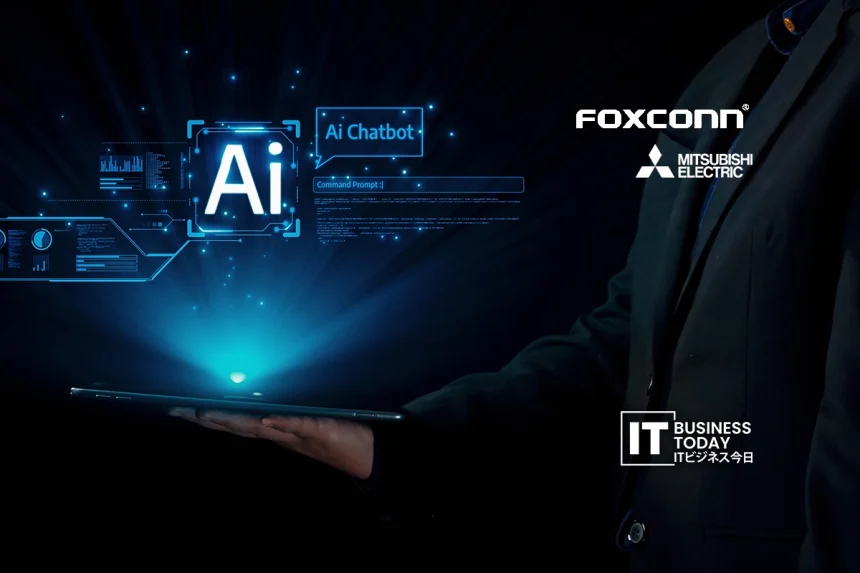
Japanese industrial powerhouse Mitsubishi Electric Corporation announced on November 6, 2025 that it has signed a memorandum of understanding (MoU) with Taiwanese electronics giant Foxconn – otherwise known as Hon Hai Precision Industry – to jointly develop, manufacture and supply energy-efficient, high-reliability infrastructure for AI data centers around the world.
ディールの概要
Under the MoU, Foxconn and Mitsubishi Electric will team up to provide AI data-center solutions while combining their respective strengths: Foxconn’s scale in electronics manufacturing and system integration, with Mitsubishi’s expertise in digital engineering, power-systems, and infrastructure for optimized energy efficiency, operational reliability, and circular economy.
今回の提携は、AIコンピューティング・インフラ、特に生成AI、大規模推論、エッジコンピューティングをサポートするデータセンターに対する世界的な需要の高まりに対応するものです。.

こちらもお読みください: Canva、デザインとマーケティングを統合する「Creative OS」を発表
両社は、データセンターにとどまらず、従来のインフラ市場にとどまらず、両社の技術を組み合わせた新しいビジネスモデルや持続可能性を重視したアプリケーションを模索していくと述べています。.
Why This Matters for Japan’s Technology Industry
On the surface, this MoU is just a strategic partnership in AI infrastructure, but the deeper ramifications for Japan’s tech sector are quite significant.
Re-asserting Japan’s role in AI infrastructure supply-chains
日本は伝統的に、電力システム、産業機器、精密電子機器の製造に秀でています。データセンターのインフラが、エネルギー使用、冷却、モジュール性、効率性だけでなく、急速に重要な戦場となるにつれ、日本企業は、部品サプライヤーだけでなく、世界のAIインフラのシステムインテグレーターとして、重要なプレーヤーとなる羨ましい立場にあります。.
ハードウェア+ソフトウェアのビジネスモデルの高度化
The new generation of data centres requires not just mechanical and electrical engineering, but sophisticated software as well: monitoring, orchestration, AI-ops, and lifecycle services based on modular thermal/cooling design. In the case of Japan’s technology companies, that means a shift from pure manufacturing toward integrated systems and services, a trend under way but underscored by this deal.
持続可能性とESG認証の活用
このようなニーズは、データセンター事業者がエネルギー消費とカーボンフットプリントの削減を求める世界的な圧力にさらされていることから、ESGの要求に直接つながるものです。このようなソリューションを採用し、共同開発する日本企業は、今やグローバルな顧客にとってますます重要性を増している、この強力な持続可能性の物語を伝えることができます。.
輸出と国際協力の強化
Japanese-led infrastructure solutions have a path for wider export through Foxconn’s global manufacturing and logistical scale. That offers potential access to Japanese tech firms to international markets at scale, more than only domestic or regional sales. It also opens up more cross-border collaboration and supply-chain integration.
同業他社への影響
The MoU will ripple across several segments in Japan’s tech ecosystem:
インフラ設備メーカー
Japanese producers of power supply systems, cooling modules, data-hall structuring, and servers will find new demand for “AI‐optimized” versions to meet efficiency and reliability requirements.
ソフトウェアおよびサービス企業
インフラのスマート化に伴い、監視ソフトウェア、予知保全、データセンター・オーケストレーション・プラットフォームのニーズは高まるでしょう。日本のソフトウェア・ベンダーやシステム・インテグレーターは、このトレンドをバリュー・チェーンの上位に押し上げる手段として活用することができます。.
新興企業と部品サプライヤー
データセンターの需要が拡大するにつれ、熱管理、スマート配電、モジュラーコンテナ設計といった分野のニッチプレーヤーは、いずれも新たな成長ベクトルを持つことになります。三菱電機やFoxconnのような大企業との重要なパートナーシップやサプライヤー関係は、このプロセスを早めるでしょう。.
エネルギーおよび通信事業者
したがって、現地で利用可能な先進的インフラがあれば、日本の通信事業者、クラウドプロバイダー、データセンター事業者は恩恵を受けることができます。日本企業がこのようなソリューションを早期に採用することで、国内外での競争力が高まります。.
グローバル製造・輸出ビジネス
この提携に賛同する日本の機器ベンダーやシステムインテグレーターは、輸出の機会が増える可能性があります。この提携は、世界のインフラ投資がどこに向かっているのかの変化を示すものであり、日本企業はそれを捉える立場にあります。.
戦略的考察と課題
有望な取り組みである一方、日本の参加者にとっては戦略的な課題も多くあります:
エコシステムへの対応 完全に統合されたAI・データセンター・インフラには、製造、ソフトウェア、サービス、冷却・熱設計、グローバル・ロジスティクスにまたがる緊密な連携が必要です。.
Margin pressure and competition AI infrastructure is extremely competitive worldwide, with many players – North America, China, and Korea. Japanese companies have to provide clear differentiators: reliability, efficiency, sustainability.
Scaling service business internationally Traditionally, many Japanese firms have focused domestically. Global expansion, through Foxconn’s channels or otherwise, would require local support, maintenance capability, and servicing beyond the point of first sale.
サプライチェーンとローカライゼーションのリスク グローバルなデータセンター・インフラは複雑な性質を持っているため、サプライチェーンの回復力、ホスト国の規制遵守、輸出規制、地政学的リスクなど、すべてを慎重に管理する必要があります。.
結論
との間のMoU 三菱電機 そして フォックスコン to develop AI data center infrastructure represents a milestone for Japan’s technology industry. It is symbolic of the shift from pure manufacturing strength into the high-growth realm of AI infrastructure-something that will be made up of systems demanding hardware, software, services, and global deployment. For Japanese technology businesses, this deal opens up new horizons in terms of growth in exports, evolution of business models, stronger alignment with global ESG trends, and participation in the next generation of infrastructure. The firms that adapt well and execute the tasks at hand could shape how data centers function on the global stage-and Japan’s tech industry could be central to that future.


 日本語
日本語